South-to-South Dialogue
African countries can learn from one another.
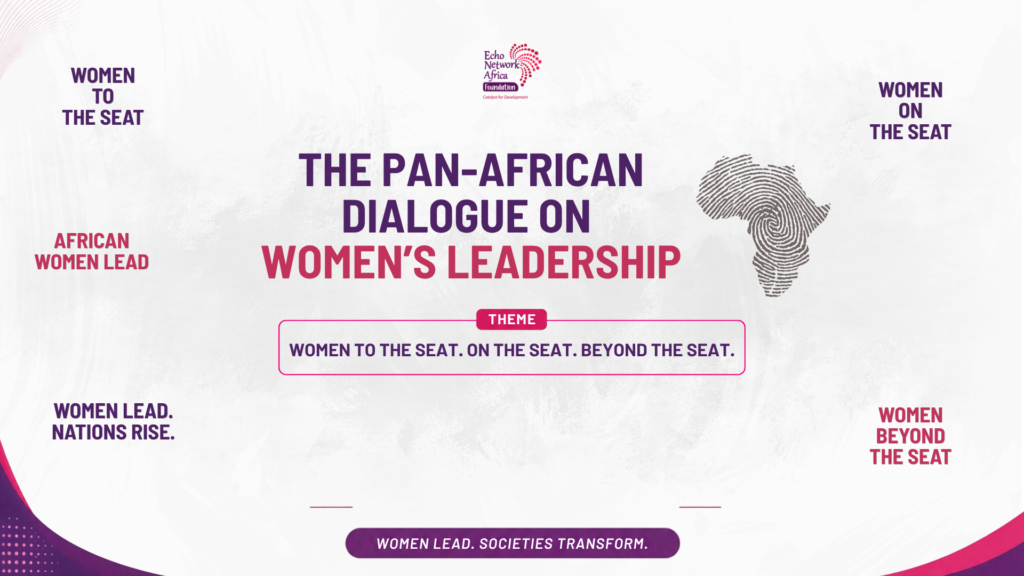
South-to-South dialogue, as framed in the Inaugural Pan-African Dialogue convened by Echo Network Africa (ENAF) and the Democracy Trust Fund (DTF), is a model of learning between countries of the Global South rather than the more familiar top-down flow of expertise from the Global North. Rather than treating one country’s approach as a template to be copied elsewhere, it brings organizations and practitioners from different African contexts together to share what they have tried, what has worked, what has failed, and what others might adapt. As the report puts it, “African countries can learn from one another, but solutions cannot simply be copied from one context to another” — electoral systems, laws, resources and social attitudes differ too much for direct transplantation, so the value lies in comparing approaches (Rwanda’s reserved seats, Namibia’s zebra party lists, Senegal’s parity law, Nigeria’s Women Trust Fund) and figuring out what’s transferable, not in prescribing a single fix.
Dr. Jennifer Riria, ENAF’s President/CEO, described the underlying idea as the “Echo effect” — the notion that a voice, experience, or solution from one place can travel and make a difference elsewhere. For the inaugural Dialogue specifically, South Sudan was chosen as the starting point given its political transition and expected December 2026 elections, with ENAF explicitly framing this as the first phase of a broader regional expansion beyond Kenya. The approach also serves a relationship-building function: it lets ENAF and DTF connect with organizations already working on women’s leadership, peacebuilding, and governance across the continent, laying groundwork for future referrals, joint initiatives, and local partnerships as the Dialogue is intended to become a recurring space rather than a one-off event.